ENGINEER

Engineers

Explore engineering pioneers and their contributions to technology and society.

Portrait of Isambard Kingdom Brunel
ENGINEER · Civil Engineering

Isambard Kingdom Brunel

Period: 1806–1859

Role: British civil and mechanical engineer

Major contribution: Railways, bridges and ships

Isambard Kingdom Brunel was a british civil and mechanical engineer whose work is associated with railways, bridges and ships.

View full details

Identity: Isambard Kingdom Brunel is included in UNIVERSE Knowledge as a engineer associated with Civil Engineering.

Life & career: This profile records the documented period 1806–1859 and the person's work in Civil Engineering. The central contribution tracked by this profile is Railways, bridges and ships.

Technical significance: The technical significance of Isambard Kingdom Brunel's work is studied through Civil Engineering, the problems addressed, the methods used, and the later developments connected with Railways, bridges and ships.

Importance: The work of Isambard Kingdom Brunel is useful for understanding civil engineering and how scientific ideas, invention and engineering can become practical technology.

Legacy: Isambard Kingdom Brunel's legacy is presented through the continuing study of the person's work, its influence on later developments, and the ideas that students and researchers can trace from the original contribution.
Explore complete profile →
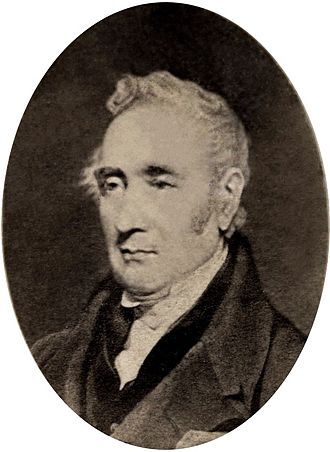
Portrait of George Stephenson
ENGINEER · Mechanical & Railway Engineering

George Stephenson

Period: 1781–1848

Role: English mechanical engineer

Major contribution: Steam locomotives and railways

George Stephenson was a english mechanical engineer whose work is associated with steam locomotives and railways.

View full details

Identity: George Stephenson is included in UNIVERSE Knowledge as a engineer associated with Mechanical & Railway Engineering.

Life & career: This profile records the documented period 1781–1848 and the person's work in Mechanical & Railway Engineering. The central contribution tracked by this profile is Steam locomotives and railways.

Technical significance: The technical significance of George Stephenson's work is studied through Mechanical & Railway Engineering, the problems addressed, the methods used, and the later developments connected with Steam locomotives and railways.

Importance: The work of George Stephenson is useful for understanding mechanical & railway engineering and how scientific ideas, invention and engineering can become practical technology.

Legacy: George Stephenson's legacy is presented through the continuing study of the person's work, its influence on later developments, and the ideas that students and researchers can trace from the original contribution.

Explore complete profile →
Portrait of Fazlur Rahman Khan
ENGINEER · Structural Engineering

Fazlur Rahman Khan

Period: 1929–1982

Role: Bangladeshi-American structural engineer

Major contribution: Tubular structural systems for tall buildings

Fazlur Rahman Khan was a bangladeshi-american structural engineer whose work is associated with tubular structural systems for tall buildings.

View full details

Identity: Fazlur Rahman Khan is included in UNIVERSE Knowledge as a engineer associated with Structural Engineering.

Life & career: This profile records the documented period 1929–1982 and the person's work in Structural Engineering. The central contribution tracked by this profile is Tubular structural systems for tall buildings.

Technical significance: The technical significance of Fazlur Rahman Khan's work is studied through Structural Engineering, the problems addressed, the methods used, and the later developments connected with Tubular structural systems for tall buildings.

Importance: The work of Fazlur Rahman Khan is useful for understanding structural engineering and how scientific ideas, invention and engineering can become practical technology.

Legacy: Fazlur Rahman Khan's legacy is presented through the continuing study of the person's work, its influence on later developments, and the ideas that students and researchers can trace from the original contribution.

Explore complete profile →
Portrait of Emily Warren Roebling
ENGINEER · Civil Engineering

Emily Warren Roebling

Period: 1843–1903

Role: American engineering contributor

Major contribution: Brooklyn Bridge construction leadership

Emily Warren Roebling was a american engineering contributor whose work is associated with brooklyn bridge construction leadership.

View full details

Identity: Emily Warren Roebling is included in UNIVERSE Knowledge as a engineer associated with Civil Engineering.

Life & career: This profile records the documented period 1843–1903 and the person's work in Civil Engineering. The central contribution tracked by this profile is Brooklyn Bridge construction leadership.

Technical significance: The technical significance of Emily Warren Roebling's work is studied through Civil Engineering, the problems addressed, the methods used, and the later developments connected with Brooklyn Bridge construction leadership.

Importance: The work of Emily Warren Roebling is useful for understanding civil engineering and how scientific ideas, invention and engineering can become practical technology.

Legacy: Emily Warren Roebling's legacy is presented through the continuing study of the person's work, its influence on later developments, and the ideas that students and researchers can trace from the original contribution.

Explore complete profile →
Portrait of Lonnie Johnson
ENGINEER · Mechanical & Electrical Engineering

Lonnie Johnson

Period: 1949–

Role: American engineer and inventor

Major contribution: Engineering and energy technologies

Lonnie Johnson was a american engineer and inventor whose work is associated with engineering and energy technologies.

View full details

Identity: Lonnie Johnson is included in UNIVERSE Knowledge as a engineer associated with Mechanical & Electrical Engineering.

Life & career: This profile records the documented period 1949– and the person's work in Mechanical & Electrical Engineering. The central contribution tracked by this profile is Engineering and energy technologies.

Technical significance: The technical significance of Lonnie Johnson's work is studied through Mechanical & Electrical Engineering, the problems addressed, the methods used, and the later developments connected with Engineering and energy technologies.

Importance: The work of Lonnie Johnson is useful for understanding mechanical & electrical engineering and how scientific ideas, invention and engineering can become practical technology.

Legacy: Lonnie Johnson's legacy is presented through the continuing study of the person's work, its influence on later developments, and the ideas that students and researchers can trace from the original contribution.

Explore complete profile →
Portrait of Ellen Ochoa
ENGINEER · Electrical Engineering & Space Science

Ellen Ochoa

Period: 1958–

Role: American engineer and astronaut

Major contribution: Optical systems; space technology

Ellen Ochoa was a american engineer and astronaut whose work is associated with optical systems; space technology.

View full details

Identity: Ellen Ochoa is included in UNIVERSE Knowledge as a engineer associated with Electrical Engineering & Space Science.

Life & career: This profile records the documented period 1958– and the person's work in Electrical Engineering & Space Science. The central contribution tracked by this profile is Optical systems; space technology.

Technical significance: The technical significance of Ellen Ochoa's work is studied through Electrical Engineering & Space Science, the problems addressed, the methods used, and the later developments connected with Optical systems; space technology.

Importance: The work of Ellen Ochoa is useful for understanding electrical engineering & space science and how scientific ideas, invention and engineering can become practical technology.

Legacy: Ellen Ochoa's legacy is presented through the continuing study of the person's work, its influence on later developments, and the ideas that students and researchers can trace from the original contribution.

Explore complete profile →
Portrait of Stephanie Kwolek
ENGINEER · Materials & Chemical Engineering

Stephanie Kwolek

Period: 1923–2014

Role: American chemist and materials scientist

Major contribution: Kevlar fiber

Stephanie Kwolek was a american chemist and materials scientist whose work is associated with kevlar fiber.

View full details

Identity: Stephanie Kwolek is included in UNIVERSE Knowledge as a engineer associated with Materials & Chemical Engineering.

Life & career: This profile records the documented period 1923–2014 and the person's work in Materials & Chemical Engineering. The central contribution tracked by this profile is Kevlar fiber.

Technical significance: The technical significance of Stephanie Kwolek's work is studied through Materials & Chemical Engineering, the problems addressed, the methods used, and the later developments connected with Kevlar fiber.

Importance: The work of Stephanie Kwolek is useful for understanding materials & chemical engineering and how scientific ideas, invention and engineering can become practical technology.

Legacy: Stephanie Kwolek's legacy is presented through the continuing study of the person's work, its influence on later developments, and the ideas that students and researchers can trace from the original contribution.

Explore complete profile →
Portrait of Gustave Eiffel
ENGINEER · Civil & Structural Engineering

Gustave Eiffel

Period: 1832–1923

Role: French civil engineer

Major contribution: Iron structures including the Eiffel Tower

Gustave Eiffel was a french civil engineer whose work is associated with iron structures including the eiffel tower.

View full details

Identity: Gustave Eiffel is included in UNIVERSE Knowledge as a engineer associated with Civil & Structural Engineering.

Life & career: This profile records the documented period 1832–1923 and the person's work in Civil & Structural Engineering. The central contribution tracked by this profile is Iron structures including the Eiffel Tower.

Technical significance: The technical significance of Gustave Eiffel's work is studied through Civil & Structural Engineering, the problems addressed, the methods used, and the later developments connected with Iron structures including the Eiffel Tower.

Importance: The work of Gustave Eiffel is useful for understanding civil & structural engineering and how scientific ideas, invention and engineering can become practical technology.

Legacy: Gustave Eiffel's legacy is presented through the continuing study of the person's work, its influence on later developments, and the ideas that students and researchers can trace from the original contribution.

Explore complete profile →
Portrait of Ove Arup
ENGINEER · Structural Engineering

Ove Arup

Period: 1895–1988

Role: Danish-British engineer

Major contribution: Modern structural and interdisciplinary engineering

Ove Arup was a danish-british engineer whose work is associated with modern structural and interdisciplinary engineering.

View full details

Identity: Ove Arup is included in UNIVERSE Knowledge as a engineer associated with Structural Engineering.

Life & career: This profile records the documented period 1895–1988 and the person's work in Structural Engineering. The central contribution tracked by this profile is Modern structural and interdisciplinary engineering.

Technical significance: The technical significance of Ove Arup's work is studied through Structural Engineering, the problems addressed, the methods used, and the later developments connected with Modern structural and interdisciplinary engineering.

Importance: The work of Ove Arup is useful for understanding structural engineering and how scientific ideas, invention and engineering can become practical technology.

Legacy: Ove Arup's legacy is presented through the continuing study of the person's work, its influence on later developments, and the ideas that students and researchers can trace from the original contribution.

Explore complete profile →
Portrait of Wernher von Braun
ENGINEER · Aerospace Engineering

Wernher von Braun

Period: 1912–1977

Role: German-American aerospace engineer

Major contribution: Rocket engineering and launch vehicles

Wernher von Braun was a german-american aerospace engineer whose work is associated with rocket engineering and launch vehicles.

View full details

Identity: Wernher von Braun is included in UNIVERSE Knowledge as a engineer associated with Aerospace Engineering.

Life & career: This profile records the documented period 1912–1977 and the person's work in Aerospace Engineering. The central contribution tracked by this profile is Rocket engineering and launch vehicles.

Technical significance: The technical significance of Wernher von Braun's work is studied through Aerospace Engineering, the problems addressed, the methods used, and the later developments connected with Rocket engineering and launch vehicles.

Importance: The work of Wernher von Braun is useful for understanding aerospace engineering and how scientific ideas, invention and engineering can become practical technology.

Legacy: Wernher von Braun's legacy is presented through the continuing study of the person's work, its influence on later developments, and the ideas that students and researchers can trace from the original contribution.

Explore complete profile →
Portrait of R. Buckminster Fuller
ENGINEER · Design & Engineering

R. Buckminster Fuller

Period: 1895–1983

Role: American designer, inventor and engineer

Major contribution: Geodesic domes and systems thinking

R. Buckminster Fuller was a american designer, inventor and engineer whose work is associated with geodesic domes and systems thinking.

View full details

Identity: R. Buckminster Fuller is included in UNIVERSE Knowledge as a engineer associated with Design & Engineering.

Life & career: This profile records the documented period 1895–1983 and the person's work in Design & Engineering. The central contribution tracked by this profile is Geodesic domes and systems thinking.

Technical significance: The technical significance of R. Buckminster Fuller's work is studied through Design & Engineering, the problems addressed, the methods used, and the later developments connected with Geodesic domes and systems thinking.

Importance: The work of R. Buckminster Fuller is useful for understanding design & engineering and how scientific ideas, invention and engineering can become practical technology.

Legacy: R. Buckminster Fuller's legacy is presented through the continuing study of the person's work, its influence on later developments, and the ideas that students and researchers can trace from the original contribution.

Explore complete profile →
Portrait of Mary Jackson
ENGINEER · Aerospace Engineering

Mary Jackson

Period: 1921–2005

Role: American aerospace engineer

Major contribution: Aerodynamics research at NASA

Mary Jackson was a american aerospace engineer whose work is associated with aerodynamics research at nasa.

View full details

Identity: Mary Jackson is included in UNIVERSE Knowledge as a engineer associated with Aerospace Engineering.

Life & career: This profile records the documented period 1921–2005 and the person's work in Aerospace Engineering. The central contribution tracked by this profile is Aerodynamics research at NASA.

Technical significance: The technical significance of Mary Jackson's work is studied through Aerospace Engineering, the problems addressed, the methods used, and the later developments connected with Aerodynamics research at NASA.

Importance: The work of Mary Jackson is useful for understanding aerospace engineering and how scientific ideas, invention and engineering can become practical technology.

Legacy: Mary Jackson's legacy is presented through the continuing study of the person's work, its influence on later developments, and the ideas that students and researchers can trace from the original contribution.

Explore complete profile →
Portrait of Mark Dean
ENGINEER · Computer Engineering

Mark Dean

Period: 1957–

Role: American computer engineer

Major contribution: Personal-computer architecture and peripherals

Mark Dean was a american computer engineer whose work is associated with personal-computer architecture and peripherals.

View full details

Identity: Mark Dean is included in UNIVERSE Knowledge as a engineer associated with Computer Engineering.

Life & career: This profile records the documented period 1957– and the person's work in Computer Engineering. The central contribution tracked by this profile is Personal-computer architecture and peripherals.

Technical significance: The technical significance of Mark Dean's work is studied through Computer Engineering, the problems addressed, the methods used, and the later developments connected with Personal-computer architecture and peripherals.

Importance: The work of Mark Dean is useful for understanding computer engineering and how scientific ideas, invention and engineering can become practical technology.

Legacy: Mark Dean's legacy is presented through the continuing study of the person's work, its influence on later developments, and the ideas that students and researchers can trace from the original contribution.

Explore complete profile →
Portrait of Radia Perlman
ENGINEER · Computer Networking

Radia Perlman

Period: 1951–

Role: American computer scientist and network engineer

Major contribution: Spanning Tree Protocol and network design

Radia Perlman was a american computer scientist and network engineer whose work is associated with spanning tree protocol and network design.

View full details

Identity: Radia Perlman is included in UNIVERSE Knowledge as a engineer associated with Computer Networking.

Life & career: This profile records the documented period 1951– and the person's work in Computer Networking. The central contribution tracked by this profile is Spanning Tree Protocol and network design.

Technical significance: The technical significance of Radia Perlman's work is studied through Computer Networking, the problems addressed, the methods used, and the later developments connected with Spanning Tree Protocol and network design.

Importance: The work of Radia Perlman is useful for understanding computer networking and how scientific ideas, invention and engineering can become practical technology.

Legacy: Radia Perlman's legacy is presented through the continuing study of the person's work, its influence on later developments, and the ideas that students and researchers can trace from the original contribution.

Explore complete profile →
Portrait of Claude Shannon
ENGINEER · Electrical Engineering & Information Theory

Claude Shannon

Period: 1916–2001

Role: American mathematician and electrical engineer

Major contribution: Information theory and digital circuit logic

Claude Shannon was a american mathematician and electrical engineer whose work is associated with information theory and digital circuit logic.

View full details

Identity: Claude Shannon is included in UNIVERSE Knowledge as a engineer associated with Electrical Engineering & Information Theory.

Life & career: This profile records the documented period 1916–2001 and the person's work in Electrical Engineering & Information Theory. The central contribution tracked by this profile is Information theory and digital circuit logic.

Technical significance: The technical significance of Claude Shannon's work is studied through Electrical Engineering & Information Theory, the problems addressed, the methods used, and the later developments connected with Information theory and digital circuit logic.

Importance: The work of Claude Shannon is useful for understanding electrical engineering & information theory and how scientific ideas, invention and engineering can become practical technology.

Legacy: Claude Shannon's legacy is presented through the continuing study of the person's work, its influence on later developments, and the ideas that students and researchers can trace from the original contribution.

Explore complete profile →
Portrait of Hyman Rickover
ENGINEER · Nuclear Engineering

Hyman Rickover

Period: 1900–1986

Role: American naval engineer

Major contribution: Nuclear-powered naval propulsion

Hyman Rickover was a american naval engineer whose work is associated with nuclear-powered naval propulsion.

View full details

Identity: Hyman Rickover is included in UNIVERSE Knowledge as a engineer associated with Nuclear Engineering.

Life & career: This profile records the documented period 1900–1986 and the person's work in Nuclear Engineering. The central contribution tracked by this profile is Nuclear-powered naval propulsion.

Technical significance: The technical significance of Hyman Rickover's work is studied through Nuclear Engineering, the problems addressed, the methods used, and the later developments connected with Nuclear-powered naval propulsion.

Importance: The work of Hyman Rickover is useful for understanding nuclear engineering and how scientific ideas, invention and engineering can become practical technology.

Legacy: Hyman Rickover's legacy is presented through the continuing study of the person's work, its influence on later developments, and the ideas that students and researchers can trace from the original contribution.

Explore complete profile →
Portrait of Grace Hopper
ENGINEER · Computer Science

Grace Hopper

Period: 1906–1992

Role: American computer scientist and naval officer

Major contribution: Compilers and machine-independent programming

Grace Hopper was a american computer scientist and naval officer whose work is associated with compilers and machine-independent programming.

View full details

Identity: Grace Hopper is included in UNIVERSE Knowledge as a engineer associated with Computer Science.

Life & career: This profile records the documented period 1906–1992 and the person's work in Computer Science. The central contribution tracked by this profile is Compilers and machine-independent programming.

Technical significance: The technical significance of Grace Hopper's work is studied through Computer Science, the problems addressed, the methods used, and the later developments connected with Compilers and machine-independent programming.

Importance: The work of Grace Hopper is useful for understanding computer science and how scientific ideas, invention and engineering can become practical technology.

Legacy: Grace Hopper's legacy is presented through the continuing study of the person's work, its influence on later developments, and the ideas that students and researchers can trace from the original contribution.

Explore complete profile →
Portrait of Edith Clarke
ENGINEER · Electrical Engineering

Edith Clarke

Period: 1883–1959

Role: American electrical engineer

Major contribution: Power-system analysis methods

Edith Clarke was a american electrical engineer whose work is associated with power-system analysis methods.

View full details

Identity: Edith Clarke is included in UNIVERSE Knowledge as a engineer associated with Electrical Engineering.

Life & career: This profile records the documented period 1883–1959 and the person's work in Electrical Engineering. The central contribution tracked by this profile is Power-system analysis methods.

Technical significance: The technical significance of Edith Clarke's work is studied through Electrical Engineering, the problems addressed, the methods used, and the later developments connected with Power-system analysis methods.

Importance: The work of Edith Clarke is useful for understanding electrical engineering and how scientific ideas, invention and engineering can become practical technology.

Legacy: Edith Clarke's legacy is presented through the continuing study of the person's work, its influence on later developments, and the ideas that students and researchers can trace from the original contribution.

Explore complete profile →
Portrait of Emily Roebling
ENGINEER · Civil Engineering

Emily Roebling

Period: 1843–1903

Role: American engineering contributor

Major contribution: Brooklyn Bridge construction leadership

Emily Roebling was a american engineering contributor whose work is associated with brooklyn bridge construction leadership.

View full details

Identity: Emily Roebling is included in UNIVERSE Knowledge as a engineer associated with Civil Engineering.

Life & career: This profile records the documented period 1843–1903 and the person's work in Civil Engineering. The central contribution tracked by this profile is Brooklyn Bridge construction leadership.

Technical significance: The technical significance of Emily Roebling's work is studied through Civil Engineering, the problems addressed, the methods used, and the later developments connected with Brooklyn Bridge construction leadership.

Importance: The work of Emily Roebling is useful for understanding civil engineering and how scientific ideas, invention and engineering can become practical technology.

Legacy: Emily Roebling's legacy is presented through the continuing study of the person's work, its influence on later developments, and the ideas that students and researchers can trace from the original contribution.

Explore complete profile →
Portrait of Norbert Rillieux
ENGINEER · Chemical Engineering

Norbert Rillieux

Period: 1806–1894

Role: American inventor and engineer

Major contribution: Multiple-effect evaporator

Norbert Rillieux was a american inventor and engineer whose work is associated with multiple-effect evaporator.

View full details

Identity: Norbert Rillieux is included in UNIVERSE Knowledge as a engineer associated with Chemical Engineering.

Life & career: This profile records the documented period 1806–1894 and the person's work in Chemical Engineering. The central contribution tracked by this profile is Multiple-effect evaporator.

Technical significance: The technical significance of Norbert Rillieux's work is studied through Chemical Engineering, the problems addressed, the methods used, and the later developments connected with Multiple-effect evaporator.

Importance: The work of Norbert Rillieux is useful for understanding chemical engineering and how scientific ideas, invention and engineering can become practical technology.

Legacy: Norbert Rillieux's legacy is presented through the continuing study of the person's work, its influence on later developments, and the ideas that students and researchers can trace from the original contribution.

Explore complete profile →
Portrait of Lewis Fry Richardson
ENGINEER · Mathematical & Civil Engineering

Lewis Fry Richardson

Period: 1881–1953

Role: British mathematician and engineer

Major contribution: Numerical weather prediction concepts

Lewis Fry Richardson was a british mathematician and engineer whose work is associated with numerical weather prediction concepts.

View full details

Identity: Lewis Fry Richardson is included in UNIVERSE Knowledge as a engineer associated with Mathematical & Civil Engineering.

Life & career: This profile records the documented period 1881–1953 and the person's work in Mathematical & Civil Engineering. The central contribution tracked by this profile is Numerical weather prediction concepts.

Technical significance: The technical significance of Lewis Fry Richardson's work is studied through Mathematical & Civil Engineering, the problems addressed, the methods used, and the later developments connected with Numerical weather prediction concepts.

Importance: The work of Lewis Fry Richardson is useful for understanding mathematical & civil engineering and how scientific ideas, invention and engineering can become practical technology.

Legacy: Lewis Fry Richardson's legacy is presented through the continuing study of the person's work, its influence on later developments, and the ideas that students and researchers can trace from the original contribution.

Explore complete profile →
Portrait of Heron of Alexandria
ENGINEER · Mechanical Engineering

Heron of Alexandria

Period: c.10–c.70 CE

Role: Hellenistic mathematician and engineer

Major contribution: Automata and early steam-powered devices

Heron of Alexandria was a hellenistic mathematician and engineer whose work is associated with automata and early steam-powered devices.

View full details

Identity: Heron of Alexandria is included in UNIVERSE Knowledge as a engineer associated with Mechanical Engineering.

Life & career: This profile records the documented period c.10–c.70 CE and the person's work in Mechanical Engineering. The central contribution tracked by this profile is Automata and early steam-powered devices.

Technical significance: The technical significance of Heron of Alexandria's work is studied through Mechanical Engineering, the problems addressed, the methods used, and the later developments connected with Automata and early steam-powered devices.

Importance: The work of Heron of Alexandria is useful for understanding mechanical engineering and how scientific ideas, invention and engineering can become practical technology.

Legacy: Heron of Alexandria's legacy is presented through the continuing study of the person's work, its influence on later developments, and the ideas that students and researchers can trace from the original contribution.

Explore complete profile →
Portrait of Ismail al-Jazari
ENGINEER · Mechanical Engineering

Ismail al-Jazari

Period: 1136–1206

Role: Mesopotamian engineer and inventor

Major contribution: Automata, pumps and mechanical devices

Ismail al-Jazari was a mesopotamian engineer and inventor whose work is associated with automata, pumps and mechanical devices.

View full details

Identity: Ismail al-Jazari is included in UNIVERSE Knowledge as a engineer associated with Mechanical Engineering.

Life & career: This profile records the documented period 1136–1206 and the person's work in Mechanical Engineering. The central contribution tracked by this profile is Automata, pumps and mechanical devices.

Technical significance: The technical significance of Ismail al-Jazari's work is studied through Mechanical Engineering, the problems addressed, the methods used, and the later developments connected with Automata, pumps and mechanical devices.

Importance: The work of Ismail al-Jazari is useful for understanding mechanical engineering and how scientific ideas, invention and engineering can become practical technology.

Legacy: Ismail al-Jazari's legacy is presented through the continuing study of the person's work, its influence on later developments, and the ideas that students and researchers can trace from the original contribution.

Explore complete profile →
Portrait of Al-Khwarizmi
ENGINEER · Mathematics & Computing Foundations

Al-Khwarizmi

Period: c.780–c.850

Role: Persian mathematician

Major contribution: Algebra and algorithmic methods

Al-Khwarizmi was a persian mathematician whose work is associated with algebra and algorithmic methods.

View full details

Identity: Al-Khwarizmi is included in UNIVERSE Knowledge as a engineer associated with Mathematics & Computing Foundations.

Life & career: This profile records the documented period c.780–c.850 and the person's work in Mathematics & Computing Foundations. The central contribution tracked by this profile is Algebra and algorithmic methods.

Technical significance: The technical significance of Al-Khwarizmi's work is studied through Mathematics & Computing Foundations, the problems addressed, the methods used, and the later developments connected with Algebra and algorithmic methods.

Importance: The work of Al-Khwarizmi is useful for understanding mathematics & computing foundations and how scientific ideas, invention and engineering can become practical technology.

Legacy: Al-Khwarizmi's legacy is presented through the continuing study of the person's work, its influence on later developments, and the ideas that students and researchers can trace from the original contribution.

Explore complete profile →
Portrait of George Washington Gale Ferris Jr.
ENGINEER · Civil Engineering

George Washington Gale Ferris Jr.

Period: 1859–1896

Role: American civil engineer

Major contribution: Ferris wheel

George Washington Gale Ferris Jr. was a american civil engineer whose work is associated with ferris wheel.

View full details

Identity: George Washington Gale Ferris Jr. is included in UNIVERSE Knowledge as a engineer associated with Civil Engineering.

Life & career: This profile records the documented period 1859–1896 and the person's work in Civil Engineering. The central contribution tracked by this profile is Ferris wheel.

Technical significance: The technical significance of George Washington Gale Ferris Jr.'s work is studied through Civil Engineering, the problems addressed, the methods used, and the later developments connected with Ferris wheel.

Importance: The work of George Washington Gale Ferris Jr. is useful for understanding civil engineering and how scientific ideas, invention and engineering can become practical technology.

Legacy: George Washington Gale Ferris Jr.'s legacy is presented through the continuing study of the person's work, its influence on later developments, and the ideas that students and researchers can trace from the original contribution.

Explore complete profile →
Portrait of John Smeaton
ENGINEER · Civil Engineering

John Smeaton

Period: 1724–1792

Role: English civil engineer

Major contribution: Foundational modern civil engineering practice

John Smeaton was a english civil engineer whose work is associated with foundational modern civil engineering practice.

View full details

Identity: John Smeaton is included in UNIVERSE Knowledge as a engineer associated with Civil Engineering.

Life & career: This profile records the documented period 1724–1792 and the person's work in Civil Engineering. The central contribution tracked by this profile is Foundational modern civil engineering practice.

Technical significance: The technical significance of John Smeaton's work is studied through Civil Engineering, the problems addressed, the methods used, and the later developments connected with Foundational modern civil engineering practice.

Importance: The work of John Smeaton is useful for understanding civil engineering and how scientific ideas, invention and engineering can become practical technology.

Legacy: John Smeaton's legacy is presented through the continuing study of the person's work, its influence on later developments, and the ideas that students and researchers can trace from the original contribution.

Explore complete profile →
Portrait of Joseph Bazalgette
ENGINEER · Civil Engineering

Joseph Bazalgette

Period: 1819–1891

Role: English civil engineer

Major contribution: London sewer system

Joseph Bazalgette was a english civil engineer whose work is associated with london sewer system.

View full details

Identity: Joseph Bazalgette is included in UNIVERSE Knowledge as a engineer associated with Civil Engineering.

Life & career: This profile records the documented period 1819–1891 and the person's work in Civil Engineering. The central contribution tracked by this profile is London sewer system.

Technical significance: The technical significance of Joseph Bazalgette's work is studied through Civil Engineering, the problems addressed, the methods used, and the later developments connected with London sewer system.

Importance: The work of Joseph Bazalgette is useful for understanding civil engineering and how scientific ideas, invention and engineering can become practical technology.

Legacy: Joseph Bazalgette's legacy is presented through the continuing study of the person's work, its influence on later developments, and the ideas that students and researchers can trace from the original contribution.

Explore complete profile →
Portrait of Henry Ford
ENGINEER · Automotive Engineering

Henry Ford

Period: 1863–1947

Role: American industrialist and engineer

Major contribution: Mass-production automotive systems

Henry Ford was a american industrialist and engineer whose work is associated with mass-production automotive systems.

View full details

Identity: Henry Ford is included in UNIVERSE Knowledge as a engineer associated with Automotive Engineering.

Life & career: This profile records the documented period 1863–1947 and the person's work in Automotive Engineering. The central contribution tracked by this profile is Mass-production automotive systems.

Technical significance: The technical significance of Henry Ford's work is studied through Automotive Engineering, the problems addressed, the methods used, and the later developments connected with Mass-production automotive systems.

Importance: The work of Henry Ford is useful for understanding automotive engineering and how scientific ideas, invention and engineering can become practical technology.

Legacy: Henry Ford's legacy is presented through the continuing study of the person's work, its influence on later developments, and the ideas that students and researchers can trace from the original contribution.

Explore complete profile →
Portrait of Nikolaus Otto
ENGINEER · Mechanical Engineering

Nikolaus Otto

Period: 1832–1891

Role: German engineer

Major contribution: Four-stroke internal-combustion engine

Nikolaus Otto was a german engineer whose work is associated with four-stroke internal-combustion engine.

View full details

Identity: Nikolaus Otto is included in UNIVERSE Knowledge as a engineer associated with Mechanical Engineering.

Life & career: This profile records the documented period 1832–1891 and the person's work in Mechanical Engineering. The central contribution tracked by this profile is Four-stroke internal-combustion engine.

Technical significance: The technical significance of Nikolaus Otto's work is studied through Mechanical Engineering, the problems addressed, the methods used, and the later developments connected with Four-stroke internal-combustion engine.

Importance: The work of Nikolaus Otto is useful for understanding mechanical engineering and how scientific ideas, invention and engineering can become practical technology.

Legacy: Nikolaus Otto's legacy is presented through the continuing study of the person's work, its influence on later developments, and the ideas that students and researchers can trace from the original contribution.

Explore complete profile →
Portrait of Ferdinand Porsche
ENGINEER · Automotive Engineering

Ferdinand Porsche

Period: 1875–1951

Role: Austrian-German automotive engineer

Major contribution: Automotive and electric-vehicle engineering

Ferdinand Porsche was a austrian-german automotive engineer whose work is associated with automotive and electric-vehicle engineering.

View full details

Identity: Ferdinand Porsche is included in UNIVERSE Knowledge as a engineer associated with Automotive Engineering.

Life & career: This profile records the documented period 1875–1951 and the person's work in Automotive Engineering. The central contribution tracked by this profile is Automotive and electric-vehicle engineering.

Technical significance: The technical significance of Ferdinand Porsche's work is studied through Automotive Engineering, the problems addressed, the methods used, and the later developments connected with Automotive and electric-vehicle engineering.

Importance: The work of Ferdinand Porsche is useful for understanding automotive engineering and how scientific ideas, invention and engineering can become practical technology.

Legacy: Ferdinand Porsche's legacy is presented through the continuing study of the person's work, its influence on later developments, and the ideas that students and researchers can trace from the original contribution.

Explore complete profile →
Portrait of Soichiro Honda
ENGINEER · Mechanical & Automotive Engineering

Soichiro Honda

Period: 1906–1991

Role: Japanese engineer and industrialist

Major contribution: Motorcycle and automotive engineering

Soichiro Honda was a japanese engineer and industrialist whose work is associated with motorcycle and automotive engineering.

View full details

Identity: Soichiro Honda is included in UNIVERSE Knowledge as a engineer associated with Mechanical & Automotive Engineering.

Life & career: This profile records the documented period 1906–1991 and the person's work in Mechanical & Automotive Engineering. The central contribution tracked by this profile is Motorcycle and automotive engineering.

Technical significance: The technical significance of Soichiro Honda's work is studied through Mechanical & Automotive Engineering, the problems addressed, the methods used, and the later developments connected with Motorcycle and automotive engineering.

Importance: The work of Soichiro Honda is useful for understanding mechanical & automotive engineering and how scientific ideas, invention and engineering can become practical technology.

Legacy: Soichiro Honda's legacy is presented through the continuing study of the person's work, its influence on later developments, and the ideas that students and researchers can trace from the original contribution.

Explore complete profile →
Portrait of Kiichiro Toyoda
ENGINEER · Automotive Engineering

Kiichiro Toyoda

Period: 1894–1952

Role: Japanese industrialist and engineer

Major contribution: Toyota automobile manufacturing

Kiichiro Toyoda was a japanese industrialist and engineer whose work is associated with toyota automobile manufacturing.

View full details

Identity: Kiichiro Toyoda is included in UNIVERSE Knowledge as a engineer associated with Automotive Engineering.

Life & career: This profile records the documented period 1894–1952 and the person's work in Automotive Engineering. The central contribution tracked by this profile is Toyota automobile manufacturing.

Technical significance: The technical significance of Kiichiro Toyoda's work is studied through Automotive Engineering, the problems addressed, the methods used, and the later developments connected with Toyota automobile manufacturing.

Importance: The work of Kiichiro Toyoda is useful for understanding automotive engineering and how scientific ideas, invention and engineering can become practical technology.

Legacy: Kiichiro Toyoda's legacy is presented through the continuing study of the person's work, its influence on later developments, and the ideas that students and researchers can trace from the original contribution.

Explore complete profile →
Portrait of Liang Sicheng
ENGINEER · Architecture & Engineering

Liang Sicheng

Period: 1901–1972

Role: Chinese architect and architectural historian

Major contribution: Modern Chinese architectural scholarship

Liang Sicheng was a chinese architect and architectural historian whose work is associated with modern chinese architectural scholarship.

View full details

Identity: Liang Sicheng is included in UNIVERSE Knowledge as a engineer associated with Architecture & Engineering.

Life & career: This profile records the documented period 1901–1972 and the person's work in Architecture & Engineering. The central contribution tracked by this profile is Modern Chinese architectural scholarship.

Technical significance: The technical significance of Liang Sicheng's work is studied through Architecture & Engineering, the problems addressed, the methods used, and the later developments connected with Modern Chinese architectural scholarship.

Importance: The work of Liang Sicheng is useful for understanding architecture & engineering and how scientific ideas, invention and engineering can become practical technology.

Legacy: Liang Sicheng's legacy is presented through the continuing study of the person's work, its influence on later developments, and the ideas that students and researchers can trace from the original contribution.

Explore complete profile →
Portrait of Elmer Sperry
ENGINEER · Electrical & Mechanical Engineering

Elmer Sperry

Period: 1860–1930

Role: American inventor and engineer

Major contribution: Gyroscopic and electrical technologies

Elmer Sperry was a american inventor and engineer whose work is associated with gyroscopic and electrical technologies.

View full details

Identity: Elmer Sperry is included in UNIVERSE Knowledge as a engineer associated with Electrical & Mechanical Engineering.

Life & career: This profile records the documented period 1860–1930 and the person's work in Electrical & Mechanical Engineering. The central contribution tracked by this profile is Gyroscopic and electrical technologies.

Technical significance: The technical significance of Elmer Sperry's work is studied through Electrical & Mechanical Engineering, the problems addressed, the methods used, and the later developments connected with Gyroscopic and electrical technologies.

Importance: The work of Elmer Sperry is useful for understanding electrical & mechanical engineering and how scientific ideas, invention and engineering can become practical technology.

Legacy: Elmer Sperry's legacy is presented through the continuing study of the person's work, its influence on later developments, and the ideas that students and researchers can trace from the original contribution.

Explore complete profile →
Portrait of Lillian Moller Gilbreth
ENGINEER · Industrial Engineering

Lillian Moller Gilbreth

Period: 1878–1972

Role: American engineer and psychologist

Major contribution: Human factors and industrial efficiency

Lillian Moller Gilbreth was a american engineer and psychologist whose work is associated with human factors and industrial efficiency.

View full details

Identity: Lillian Moller Gilbreth is included in UNIVERSE Knowledge as a engineer associated with Industrial Engineering.

Life & career: This profile records the documented period 1878–1972 and the person's work in Industrial Engineering. The central contribution tracked by this profile is Human factors and industrial efficiency.

Technical significance: The technical significance of Lillian Moller Gilbreth's work is studied through Industrial Engineering, the problems addressed, the methods used, and the later developments connected with Human factors and industrial efficiency.

Importance: The work of Lillian Moller Gilbreth is useful for understanding industrial engineering and how scientific ideas, invention and engineering can become practical technology.

Legacy: Lillian Moller Gilbreth's legacy is presented through the continuing study of the person's work, its influence on later developments, and the ideas that students and researchers can trace from the original contribution.

Explore complete profile →
Portrait of Frank Whittle
ENGINEER · Aerospace Engineering

Frank Whittle

Period: 1907–1996

Role: British engineer and air officer

Major contribution: Turbojet engine development

Frank Whittle was a british engineer and air officer whose work is associated with turbojet engine development.

View full details

Identity: Frank Whittle is included in UNIVERSE Knowledge as a engineer associated with Aerospace Engineering.

Life & career: This profile records the documented period 1907–1996 and the person's work in Aerospace Engineering. The central contribution tracked by this profile is Turbojet engine development.

Technical significance: The technical significance of Frank Whittle's work is studied through Aerospace Engineering, the problems addressed, the methods used, and the later developments connected with Turbojet engine development.

Importance: The work of Frank Whittle is useful for understanding aerospace engineering and how scientific ideas, invention and engineering can become practical technology.

Legacy: Frank Whittle's legacy is presented through the continuing study of the person's work, its influence on later developments, and the ideas that students and researchers can trace from the original contribution.

Explore complete profile →
Portrait of Kelly Johnson
ENGINEER · Aerospace Engineering

Kelly Johnson

Period: 1910–1990

Role: American aerospace engineer

Major contribution: Advanced aircraft design at Lockheed

Kelly Johnson was a american aerospace engineer whose work is associated with advanced aircraft design at lockheed.

View full details

Identity: Kelly Johnson is included in UNIVERSE Knowledge as a engineer associated with Aerospace Engineering.

Life & career: This profile records the documented period 1910–1990 and the person's work in Aerospace Engineering. The central contribution tracked by this profile is Advanced aircraft design at Lockheed.

Technical significance: The technical significance of Kelly Johnson's work is studied through Aerospace Engineering, the problems addressed, the methods used, and the later developments connected with Advanced aircraft design at Lockheed.

Importance: The work of Kelly Johnson is useful for understanding aerospace engineering and how scientific ideas, invention and engineering can become practical technology.

Legacy: Kelly Johnson's legacy is presented through the continuing study of the person's work, its influence on later developments, and the ideas that students and researchers can trace from the original contribution.

Explore complete profile →
Portrait of Beatrice Hicks
ENGINEER · Aerospace Engineering

Beatrice Hicks

Period: 1919–1979

Role: American aerospace engineer and engineering leader

Major contribution: Gas-density sensors and aerospace systems

Beatrice Hicks was a american aerospace engineer and engineering leader whose work is associated with gas-density sensors and aerospace systems.

View full details

Identity: Beatrice Hicks is included in UNIVERSE Knowledge as a engineer associated with Aerospace Engineering.

Life & career: This profile records the documented period 1919–1979 and the person's work in Aerospace Engineering. The central contribution tracked by this profile is Gas-density sensors and aerospace systems.

Technical significance: The technical significance of Beatrice Hicks's work is studied through Aerospace Engineering, the problems addressed, the methods used, and the later developments connected with Gas-density sensors and aerospace systems.

Importance: The work of Beatrice Hicks is useful for understanding aerospace engineering and how scientific ideas, invention and engineering can become practical technology.

Legacy: Beatrice Hicks's legacy is presented through the continuing study of the person's work, its influence on later developments, and the ideas that students and researchers can trace from the original contribution.

Explore complete profile →
Portrait of Elsie MacGill
ENGINEER · Aerospace Engineering

Elsie MacGill

Period: 1905–1980

Role: Canadian aeronautical engineer

Major contribution: Hawker Hurricane aircraft production and engineering

Elsie MacGill was a canadian aeronautical engineer whose work is associated with hawker hurricane aircraft production and engineering.

View full details

Identity: Elsie MacGill is included in UNIVERSE Knowledge as a engineer associated with Aerospace Engineering.

Life & career: This profile records the documented period 1905–1980 and the person's work in Aerospace Engineering. The central contribution tracked by this profile is Hawker Hurricane aircraft production and engineering.

Technical significance: The technical significance of Elsie MacGill's work is studied through Aerospace Engineering, the problems addressed, the methods used, and the later developments connected with Hawker Hurricane aircraft production and engineering.

Importance: The work of Elsie MacGill is useful for understanding aerospace engineering and how scientific ideas, invention and engineering can become practical technology.

Legacy: Elsie MacGill's legacy is presented through the continuing study of the person's work, its influence on later developments, and the ideas that students and researchers can trace from the original contribution.

Explore complete profile →
Portrait of Ellen Swallow Richards
ENGINEER · Chemical Engineering

Ellen Swallow Richards

Period: 1842–1911

Role: American chemist and sanitary engineer

Major contribution: Sanitary engineering and environmental chemistry

Ellen Swallow Richards was a american chemist and sanitary engineer whose work is associated with sanitary engineering and environmental chemistry.

View full details

Identity: Ellen Swallow Richards is included in UNIVERSE Knowledge as a engineer associated with Chemical Engineering.

Life & career: This profile records the documented period 1842–1911 and the person's work in Chemical Engineering. The central contribution tracked by this profile is Sanitary engineering and environmental chemistry.

Technical significance: The technical significance of Ellen Swallow Richards's work is studied through Chemical Engineering, the problems addressed, the methods used, and the later developments connected with Sanitary engineering and environmental chemistry.

Importance: The work of Ellen Swallow Richards is useful for understanding chemical engineering and how scientific ideas, invention and engineering can become practical technology.

Legacy: Ellen Swallow Richards's legacy is presented through the continuing study of the person's work, its influence on later developments, and the ideas that students and researchers can trace from the original contribution.

Explore complete profile →
Portrait of John A. Roebling
ENGINEER · Civil Engineering

John A. Roebling

Period: 1806–1869

Role: German-American civil engineer

Major contribution: Suspension bridge engineering

John A. Roebling was a german-american civil engineer whose work is associated with suspension bridge engineering.

View full details

Identity: John A. Roebling is included in UNIVERSE Knowledge as a engineer associated with Civil Engineering.

Life & career: This profile records the documented period 1806–1869 and the person's work in Civil Engineering. The central contribution tracked by this profile is Suspension bridge engineering.

Technical significance: The technical significance of John A. Roebling's work is studied through Civil Engineering, the problems addressed, the methods used, and the later developments connected with Suspension bridge engineering.

Importance: The work of John A. Roebling is useful for understanding civil engineering and how scientific ideas, invention and engineering can become practical technology.

Legacy: John A. Roebling's legacy is presented through the continuing study of the person's work, its influence on later developments, and the ideas that students and researchers can trace from the original contribution.

Explore complete profile →
Portrait of Simon Ramo
ENGINEER · Electrical Engineering

Simon Ramo

Period: 1913–2016

Role: American electrical engineer and physicist

Major contribution: Systems engineering and missile technology

Simon Ramo was a american electrical engineer and physicist whose work is associated with systems engineering and missile technology.

View full details

Identity: Simon Ramo is included in UNIVERSE Knowledge as a engineer associated with Electrical Engineering.

Life & career: This profile records the documented period 1913–2016 and the person's work in Electrical Engineering. The central contribution tracked by this profile is Systems engineering and missile technology.

Technical significance: The technical significance of Simon Ramo's work is studied through Electrical Engineering, the problems addressed, the methods used, and the later developments connected with Systems engineering and missile technology.

Importance: The work of Simon Ramo is useful for understanding electrical engineering and how scientific ideas, invention and engineering can become practical technology.

Legacy: Simon Ramo's legacy is presented through the continuing study of the person's work, its influence on later developments, and the ideas that students and researchers can trace from the original contribution.

Explore complete profile →
Portrait of William LeMessurier
ENGINEER · Structural Engineering

William LeMessurier

Period: 1926–2007

Role: American structural engineer

Major contribution: High-rise structural engineering

William LeMessurier was a american structural engineer whose work is associated with high-rise structural engineering.

View full details

Identity: William LeMessurier is included in UNIVERSE Knowledge as a engineer associated with Structural Engineering.

Life & career: This profile records the documented period 1926–2007 and the person's work in Structural Engineering. The central contribution tracked by this profile is High-rise structural engineering.

Technical significance: The technical significance of William LeMessurier's work is studied through Structural Engineering, the problems addressed, the methods used, and the later developments connected with High-rise structural engineering.

Importance: The work of William LeMessurier is useful for understanding structural engineering and how scientific ideas, invention and engineering can become practical technology.

Legacy: William LeMessurier's legacy is presented through the continuing study of the person's work, its influence on later developments, and the ideas that students and researchers can trace from the original contribution.

Explore complete profile →